1. Nested Subprogram; nonlocally하게 access할 수 있는 모든 변수들은 activation record instance에 있음 -> 스택 안에 있음
(1) nonlocal 변수에 대한 reference : two-step
변수가 할당된 스택에서 activation record의 instance를 찾음 → 변수(activation record instance) 의 local offset를 사용하여변수에 access
(2) Semantic rules of static-scoped languages
- 주어진 서브프로그램에서, static ancestor 영역에 선언된 변수들에만 nonlocally하게 access
- 모든 static ancestor의 activation record instance는 그 안에 있는 변수들이 nested procedure에 의해 reference될 때, 스택 안에 존재함을 보장
-> procedure는 오직 모든 static ancestor program unit이 active할 때만 callable
- 올바른 선언은 enclosing scope에서 가장 먼저 발견되는 선언이며, 가장 가깝게 처음으로 nested
-> nonlocal reference를 지원하기 위해, static ancestor에 상응하는 스택에서 activation record의 모든 instance를 찾는 것이 가능 --> static chain, display
(3) Static chains;
- 스택에서 특정 activation record에 연결하는 static link의 체인
-> 기존 서브프로그램의 모든 static ancestor를, static parent의 순서대로 연결
- nonlocal 변수에 대한 reference가 만들어질 때, 변수를 포함하는 static ancestor activation instance를 찾을 때까지, static chain을 검색하여 변수를 포함하는 activation record instance를 찾을 수 있음
- scope의 nesting은 컴파일 타임 때 알 수 있기 때문에, 컴파일러는 reference가 nonlocal일 뿐만 아니라 nonlocal object를 포함하는 activation record instance에 도달할 때 필요한 static chain의 길이를 결정
- Static depth
: 가장 바깥쪽 영역에서 얼마나 깊게 중첩돼있는지 표현하는 static scope과 연관된 정수
- reference의 Nesting_depth (chain offset)
: nonlocal reference에 대한 올바른 activation record instance에 도달하는데 필요한 static chain의 길이
: X에 대한 reference를 포함하는 procedure의 static_depth와 X에 대한 선언을 포함하는 procedure의 static_depth 사이의 차이점

- Actual reference : (chain_offset, local_offset)
MAIN_2 -> BIGSUB -> SUB2 -> SUB3 -> SUB1


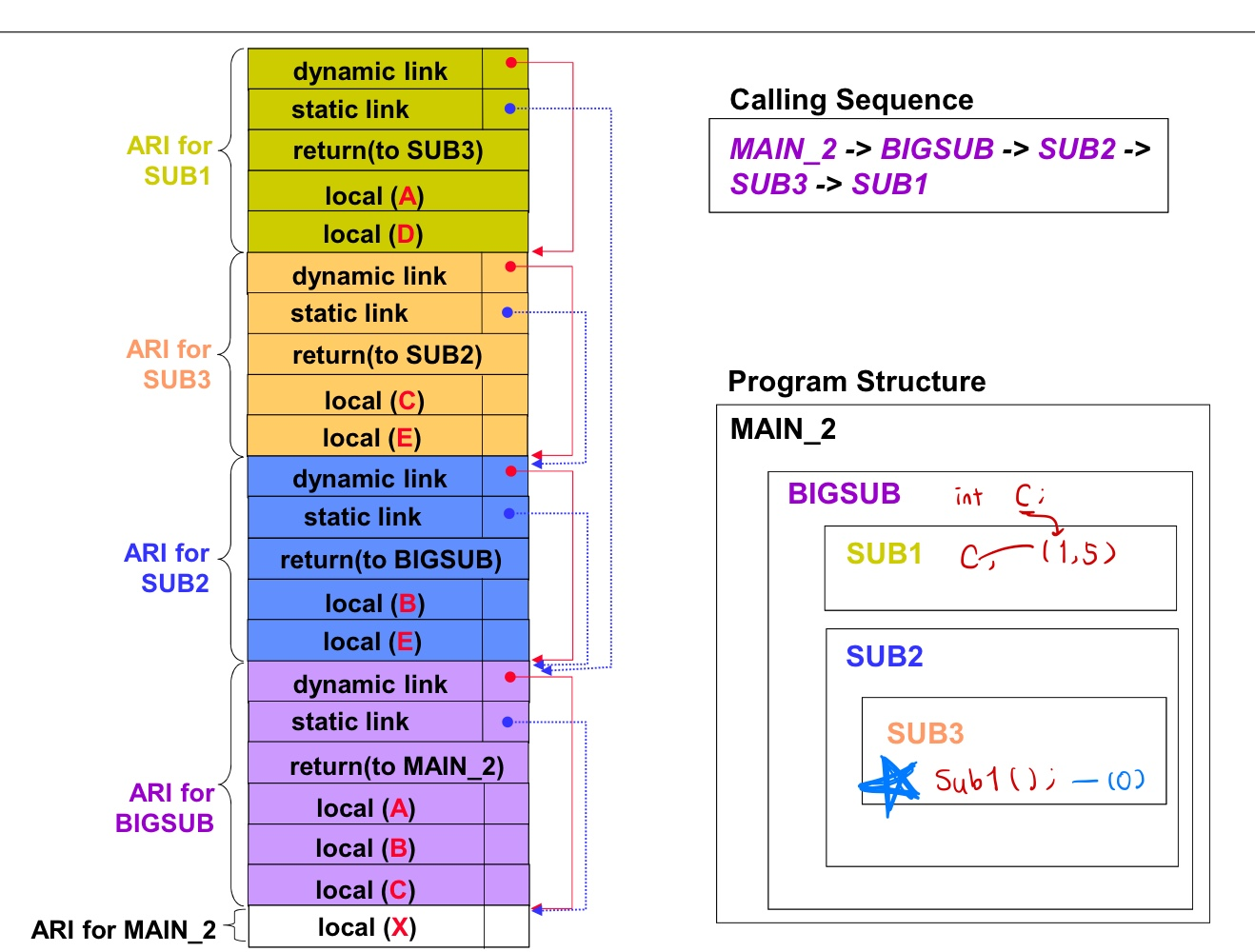
- 자기를 호출한 것을 point -> dynamic link
- 자기를 선언한 것을 point -> static link
- 프로그램 실행동안 어떻게 static chain이 유지?
: 서브프로그램이 리턴할 때 필요한 액션
-> activation record가 스택에서 제거되기 때문에 아무것도 할 필요 없음
: 서브루틴 호출시 필요한 액션
-> parent 영역의 가장 최근 activation record instance는 호출 시 발견되어야 함
1. 런타임 때 부모 영역의 가장 첫번째 영역을 찾을 때까지 다이나믹 페인의 activation record instance를 확인
2.
컴파일 타임 때 : 컴파일러는 caller와 호출된 프로그램을 선언한 procedure 사이의 nesting_depth를 계산
호출 시 : 호출된 procedure의 activation record instance의 static link는 caller의 static chain 의 아래로 내려감으로써 결정됨
link의 수는 컴파일 시간에 계산된 nesting depth의 수와 동일
- static chain method의 문제점
: static parent 넘어 영역의 변수에 대한 reference는 비쌈
-> access에 달성하기 위해선, 선언에 대한 reference로부터의 영역을 둘러싼 범위당 하나의 링크를 따라야 함
: 각 reference의 비용은 nesting의 깊이에 따르기 때문에, 프로그래머에게 nonlocal reference의 비용을 측정하라고 하는 것은 어려움
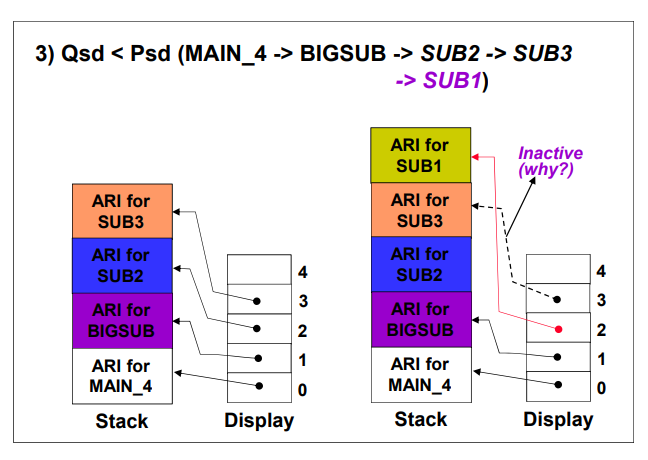
(4) Display
- static link는 activation record에 저장되기 보단 display라고 불리는 단일 배열에 수집
- display의 content는 접근 가능한 activation record instance의 주소의 리스트가 중첩된 순서
- nonlocal reference : (display_offset, local_offset)
- disply를 사용한 nonlocal 에 대한 access
: display에 있는 특정한 activation record의 링크는 display_offset이라고 불리는 static하게 계산된 값을 사용
: activation record instance 안의 local offset은 계산되며 static chain의 구현과 동일하게 사용됨
- display의 k 위치의 포인터는 k의 static depth의 procedure에 대한 activation record instancce를 가리킴
- 새로운 영역 상황을 반영하도록 어떻게 display를 수정?
: k의 static depth를 갖는 procedure P에 대한 호출에 필요한 display 수정은
-> 디스플레이의 k 위치의 포인터 복사본을 새로운 activation record에 저장
-> P 위치에 대한 activation record instance에 대한 링크를 디스플레이에 둠
: 종료 시 디스플레이에 다시 배치할 종료 서브프로그램의 활성화 레코드 인스턴스에 저장된 포인터
ex) procedure Q에 의한 procedure P 호출 (Q->P)
*Psd : static_depth of P
*Qsd : static_depth of Q
Qsd = Psd
Qsd < Psd
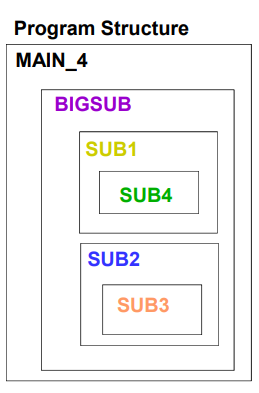
Qsd > Psd
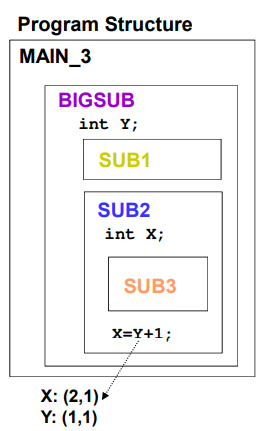
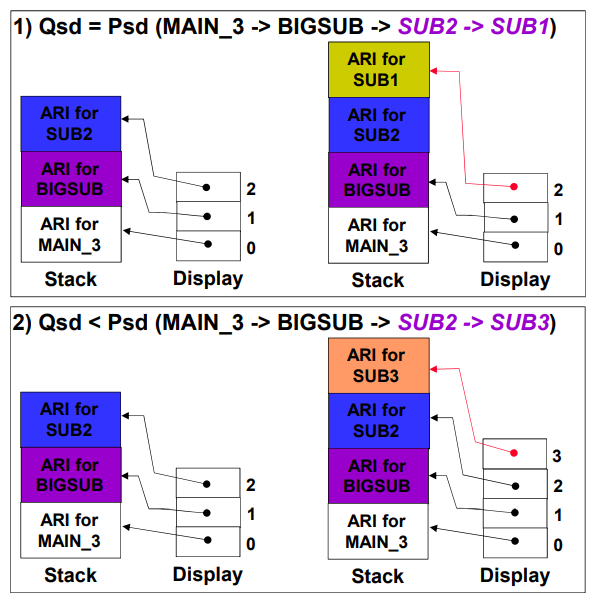
------------------------------

'PL' 카테고리의 다른 글
| [PL] CH11. Abstract Data Types and Encapsulation Concepts (1) (0) | 2022.05.31 |
|---|---|
| [PL] CH10. Implementing Subprograms (3) (0) | 2022.05.31 |
| [PL] CH10. Implementing Subprograms (0) | 2022.05.24 |
| [PL] CH9. Subprograms (Module) (3) (0) | 2022.05.19 |
| [PL] CH9. Subprograms (Module) (2) (0) | 2022.05.17 |


